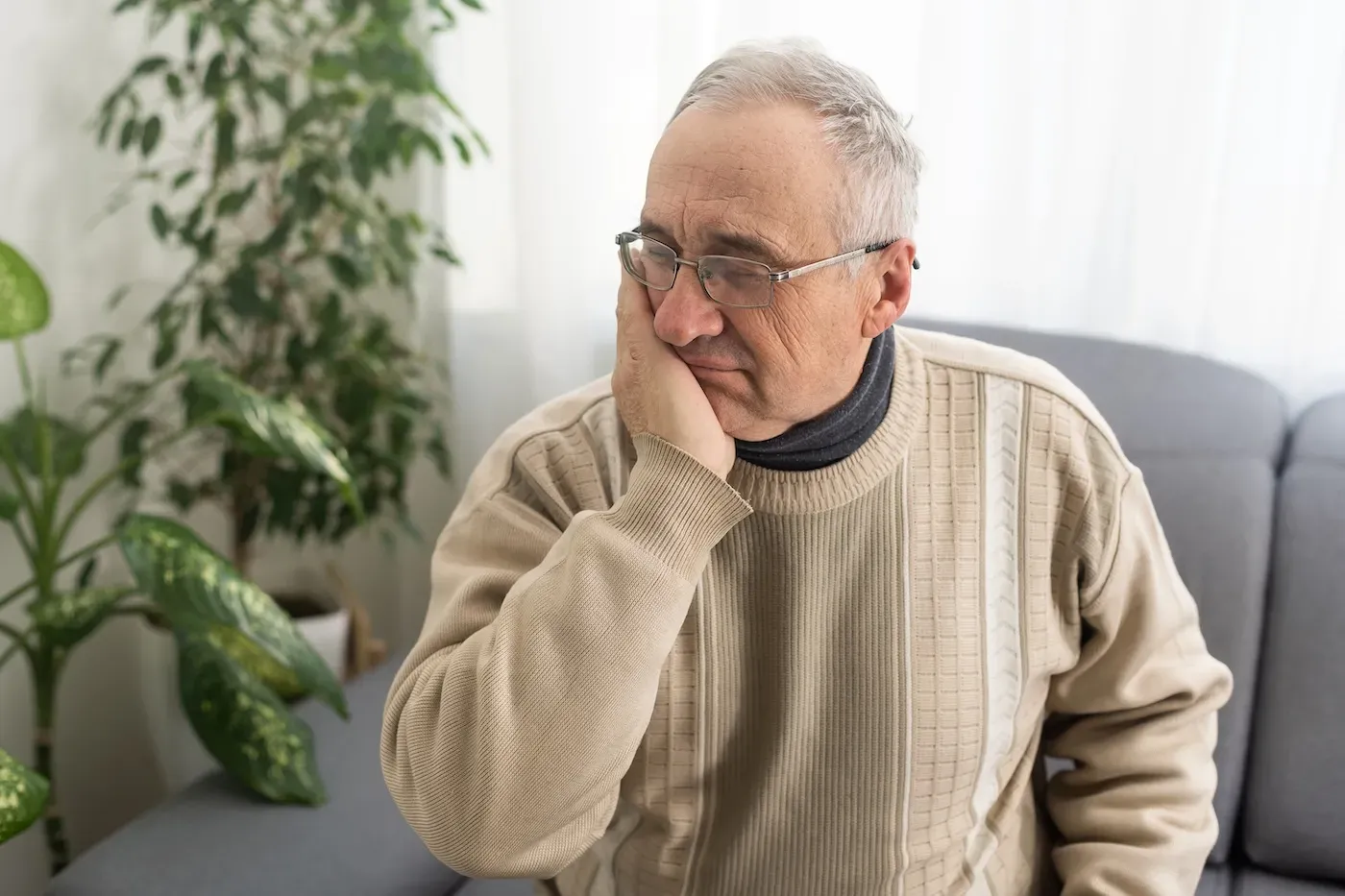
Pain that continues for months can affect mobility, sleep, work, and everyday activities. Sachida Manocha, MD, at Interventional Pain Center in Worthington and Newark, Ohio, evaluates chronic pain and provides a range of treatments. Interventions such as injections and radiofrequency ablation reduce symptoms and improve function. Call the Interventional Pain Center office or schedule an appointment online today to learn more about effective chronic pain management.
Chronic Pain Q & A
When does pain become chronic?
Chronic pain generally refers to pain that persists or repeatedly returns for more than three months. Acute pain develops in response to an injury or illness and improves as the body heals; chronic pain continues long after the original problem began.
In some cases, an ongoing condition persists and continues to cause pain. In others, changes in the nerves and nervous system contribute to persistent pain even after damaged tissues have healed.
What conditions cause long-term pain?
Many different conditions can produce chronic pain. Interventional Pain Center treats chronic pain associated with numerous problems, including the following:
- Arthritis and joint disorders
- Back and neck conditions
- Fibromyalgia
- Neuropathy and nerve damage
- Pelvic pain
- Facial pain
- Failed back surgery syndrome
- Flatback syndrome
- Persistent pain following knee surgery
Chronic pain can involve muscles, joints, nerves, the spine, or several structures at the same time. For that reason, identifying the likely source and mechanism of the pain is an important part of determining which treatments may help.
How is chronic pain evaluated?
Dr. Manocha reviews where your pain occurs, how it feels, when it began, and which movements or activities affect it. He also considers previous injuries, surgeries, medical conditions, medications, and treatments.
Depending on your symptoms, additional evaluations such as X-rays or nerve conduction studies can help determine whether pain originates from a joint, irritated nerve, spinal structure, muscle, or another source.
Chronic pain is complex and can involve several contributing factors, so that treatment may require more than one approach.
What treatments are available for chronic pain?
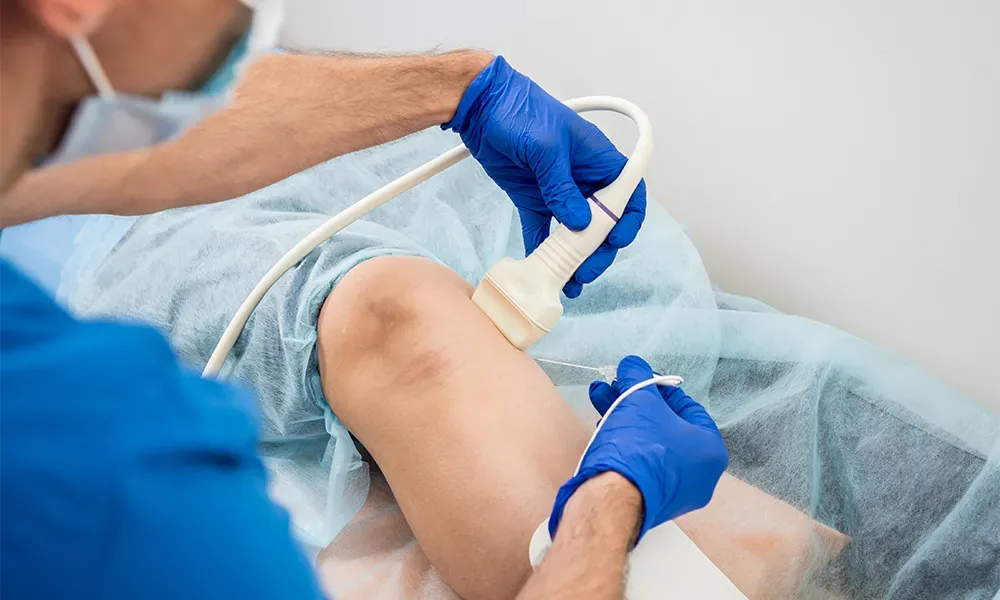
Treatment depends on your underlying condition and the type of pain. Current pain-management approaches commonly combine appropriate nonmedication treatments, nonopioid medications, interventional procedures, and other therapies rather than relying on a single treatment.
At Interventional Pain Center, Dr. Manocha incorporates whichever treatments are appropriate for you from the following options:
- Joint injections
- Trigger point injections
- Radiofrequency ablation
- Spinal cord stimulation
- Intrathecal pain pumps
He uses established pain-management methods alongside newer technology and selected complementary approaches when appropriate.
Chronic pain can change, and a treatment that helps at one stage may become less effective or unnecessary later. Dr. Manocha monitors your response to treatment and adjusts the management plan based on changes in symptoms and function.
If persistent pain is interfering with daily life, contact Interventional Pain Center to schedule an evaluation with Dr. Manocha. Call the office or complete the online booking form today.